

Residential projects
Our residential work takes place within sensitive historic contexts, including listed buildings and their settings. We design carefully considered architecture that is shaped by its surroundings and informed by an understanding of how places and buildings have evolved over time.
By studying local materials, building traditions and patterns of development, we aim to create work that sits naturally within its context and supports the long-term care of the historic environment.
Our residential projects include extensions, new buildings and change of use, all approached through a conservation-led and significance-based process.
Understanding
We begin by taking time to understand the building and its setting. Existing houses are carefully assessed to ensure that spaces are working well before any extension is considered. This often allows change to be kept to a minimum, preserving what already exists and avoiding unnecessary intervention.
All projects are shaped by an understanding of significance, context and setting. Proposals are developed through close attention to the character of the place, ensuring that any new work respects the scale, materials and quiet qualities of the surrounding historic environment.
Refurbishment
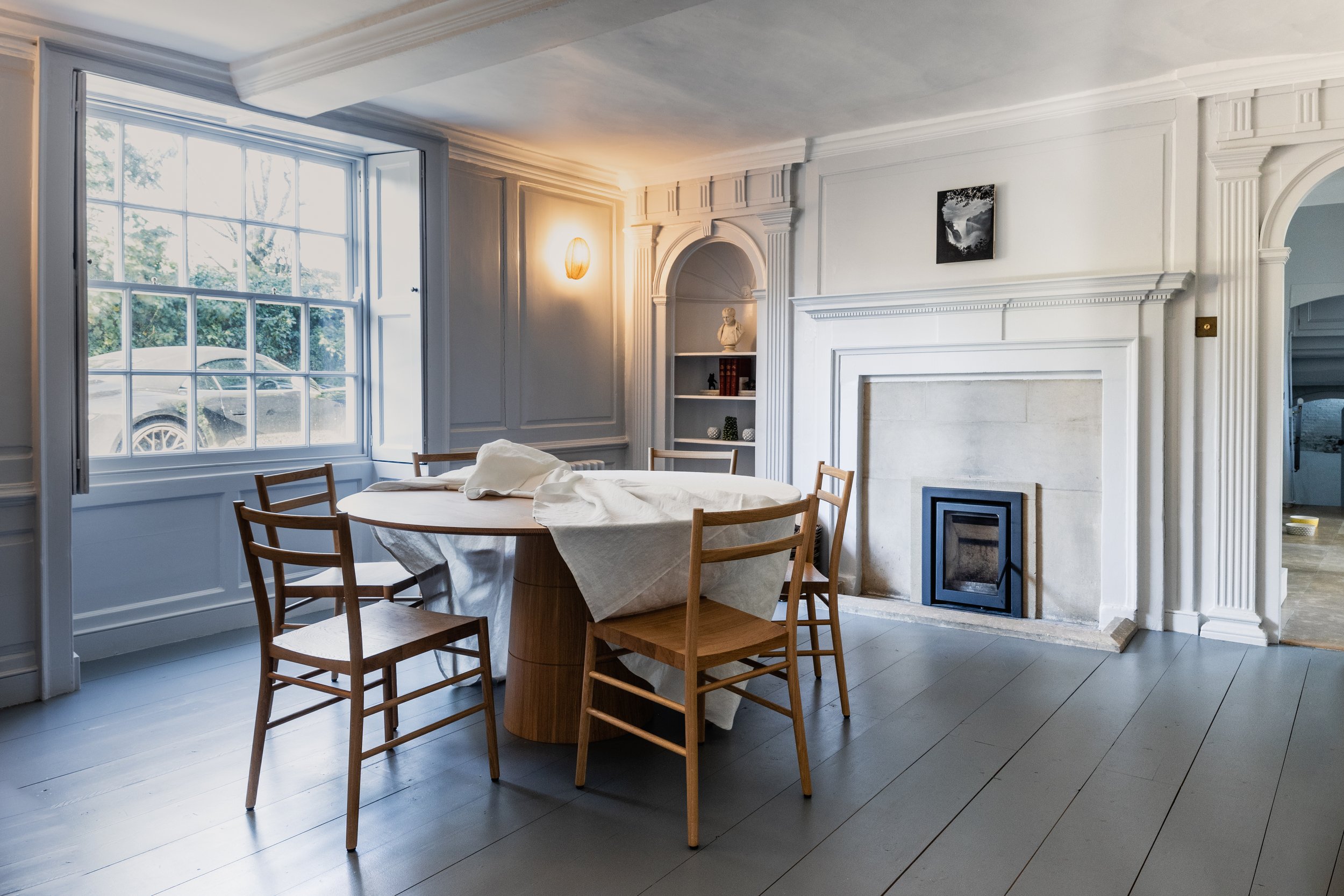
All of our residential projects begin with making sure that the best possible use is being made of the existing house. We carefully assess the flow and arrangement of spaces to ensure that historic buildings can meet modern living requirements while retaining their character and integrity.
Refurbishment projects often focus on adapting existing plans to accommodate contemporary patterns of living, such as the introduction of a central kitchen or improved bathroom provision, while respecting the structure and hierarchy of the original building. This work frequently involves unpicking later or poorly considered interventions, allowing historic houses to function better today and remain viable for the future.
Alongside spatial improvements, refurbishment projects may include the careful integration of new accommodation, upgraded services and considered improvements to insulation and environmental performance. All changes are developed with an understanding of how historic buildings work, ensuring that materials and methods support long-term sustainability without causing harm to the fabric
Extensions
Where extensions to listed buildings are needed, our approach is informed by the history and development of the house. New additions are designed to sit comfortably alongside the existing building, without competing with or obscuring earlier phases.
We avoid disguising change. Instead, new work is designed to be clearly of its time while remaining sympathetic in form, material and proportion. Where possible, existing materials are reused and combined with modern construction techniques to create a restrained, contemporary vernacular that complements the historic fabric.
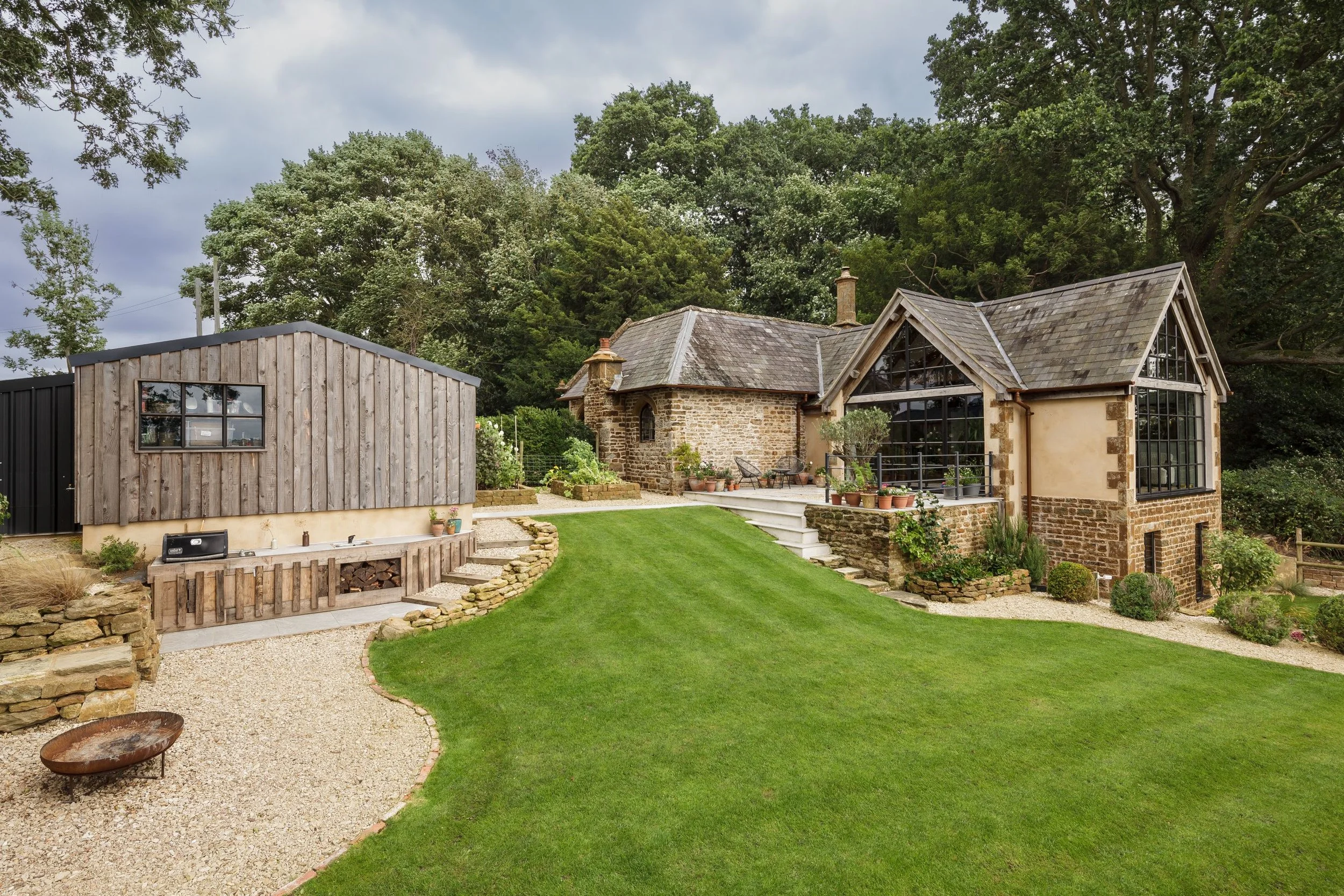
Lower Lodge, Williamscot 2024 © Simon Maxwell Photography
New buildings
Our approach to new residential buildings within historic settings is to create architecture that feels settled and appropriate to its place. Designs are informed by a close understanding of the site, its landscape and the wider built context.
Through careful use of materials, scale and form, new buildings are shaped to respect local character and sit comfortably within their surroundings. The aim is not to replicate historic buildings, but to produce long lasting designs that belong.
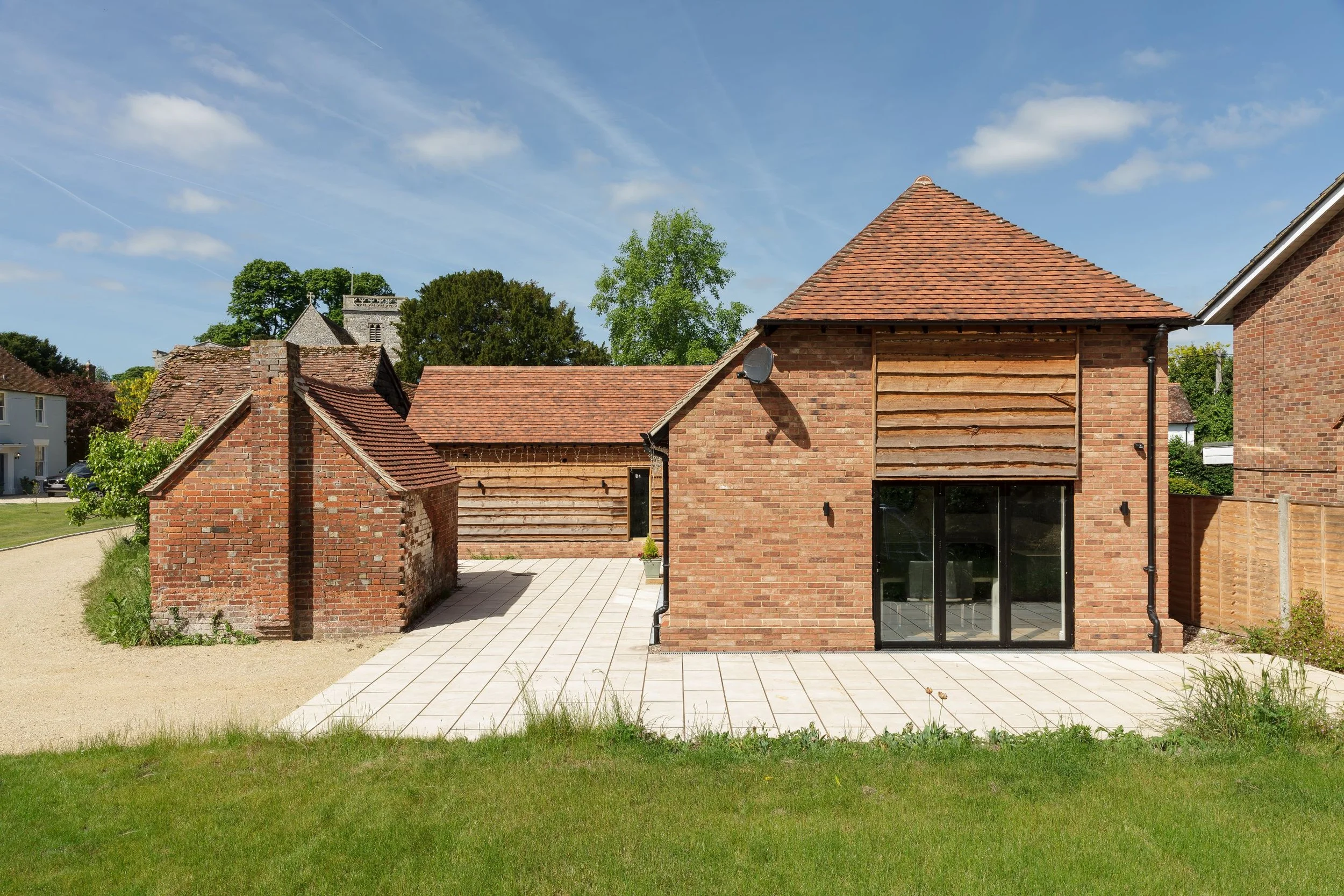
North Moreton Farmhouse 2022 © Simon Maxwell Photography
Change of use
Change of use projects are approached with care and restraint, often involving listed buildings or structures of historic interest. Our aim is to retain the character and authenticity of the existing building, so that its original purpose remains evident once works are complete.
Each project is guided by an understanding of significance, with alterations kept to what is necessary and appropriate. We select materials that work with the way historic buildings perform, helping to avoid long-term damage and environmental problems.
Wherever possible, interventions are designed to be reversible, allowing buildings to adapt again in the future without loss of historic fabric.

Development
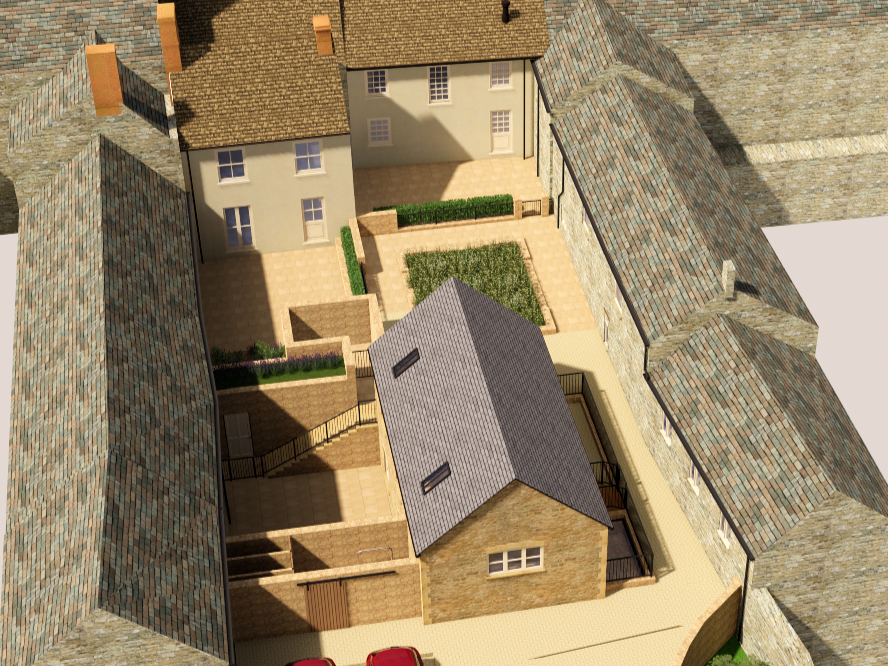
We work on development projects where new buildings or residential development take place within the setting of listed buildings or other heritage assets. These projects require a careful balance between creating value and protecting the significance of the historic environment.
Our approach is informed by a strong understanding of heritage planning policy combined with experience in designing new buildings that respond sensitively to their context. Proposals are shaped by an appreciation of setting, scale and character, ensuring that new development enhances rather than diminishes the significance of nearby historic buildings.
Through a measured and informed design process, we aim to deliver development projects that are commercially viable while remaining respectful of their historic setting, contributing positively to the long-term stewardship of heritage assets.
Photography by Oliver Grahame © 2025
Next steps
If you are considering changes to a historic building, or a new home within a sensitive setting, we would be pleased to discuss your project. Early conversations often help clarify what is possible, identify constraints, and shape a careful and considered approach from the outset.
Please get in touch to arrange an initial discussion